










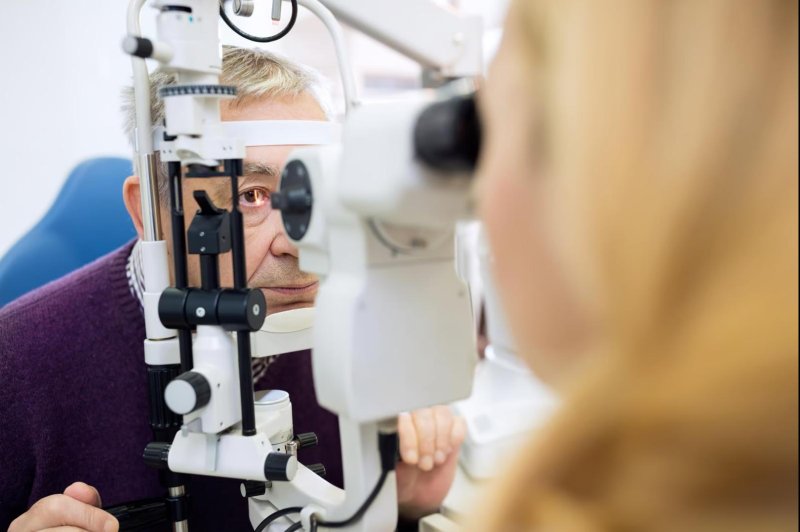
Strange visual disturbances occur early in about 10% of Alzheimer’s cases, and when this happens it almost always signals the impending arrival of the disease, a new study finds.
The condition is called posterior cortical atrophy (PCA). It involves a sudden difficulty in performing vision-related tasks — for example writing, judging whether an object is moving or stationary, or easily picking up a dropped item. Everyday tasks like these become difficult despite the fact that a person’s eye exam comes out fine.
“We need more awareness of PCA, so that it can be flagged by clinicians,” said study co-lead author Marianne Chapleau, of the University of California, San Francisco’s department of neurology.
“Most patients see their optometrist when they start experiencing visual symptoms and may be referred to an ophthalmologist who may also fail to recognize PCA,” she said in a UCSF news release. “We need better tools in clinical settings to identify these patients early on and get them treatment.”